
Most men don’t fail at diets because they lack discipline.
They fail because diets demand constant decision-making in a world already overloaded with decisions.
Calories. Macros. Meal timing. Cheat days. Tracking apps.
It all assumes you have endless mental bandwidth.
You don’t.
Men succeed with systems because systems remove thinking. They create defaults. They work when motivation drops.
⸻
Diets Depend on Willpower. Systems Depend on Structure.
A diet asks you to make the right choice every time.
A system makes the right choice automatic.
That difference matters more than food quality.
Willpower is volatile. Stress, travel, deadlines, poor sleep. It all drains it.
Systems keep running even when life gets messy.
This is why men can follow strict rules for two weeks and then fall off hard.
⸻
Why High-Performing Men Need Fewer Decisions, Not Better Ones
Most professional men already operate inside systems.
Calendars. Workflows. Routines. Financial automation.
Nutrition advice ignores this reality.
Instead of reducing friction, it adds more.
A system-based approach focuses on:
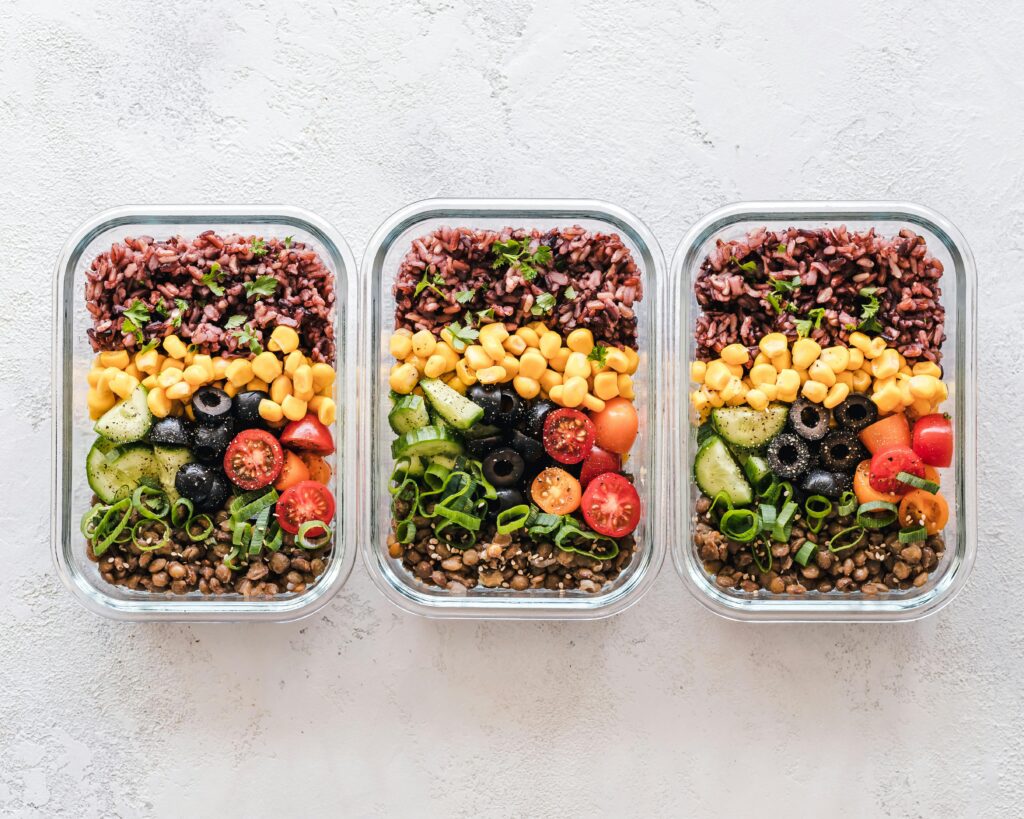
• Repeating meals
• Environmental cues
• Simple portion rules
• Clear fallback options
Less thinking. More consistency.
⸻
Systems Change Identity, Not Just Behavior
Diets frame you as someone “on” or “off” a plan.
Systems reframe you as someone who eats a certain way by default.
That identity shift is what sticks.
You don’t ask if brushing your teeth fits your plan.
You just do it.
Nutrition should work the same way.
⸻
The ZANE Takeaway
Men don’t need stricter rules. They need better systems.
If your nutrition relies on motivation, it will eventually fail.
If it relies on structure, it compounds.
⸻
Summary
• Diets fail because they rely on willpower
• Systems succeed because they remove friction
• Men thrive when nutrition fits real life, not ideal life
• Long-term results come from defaults, not discipline