
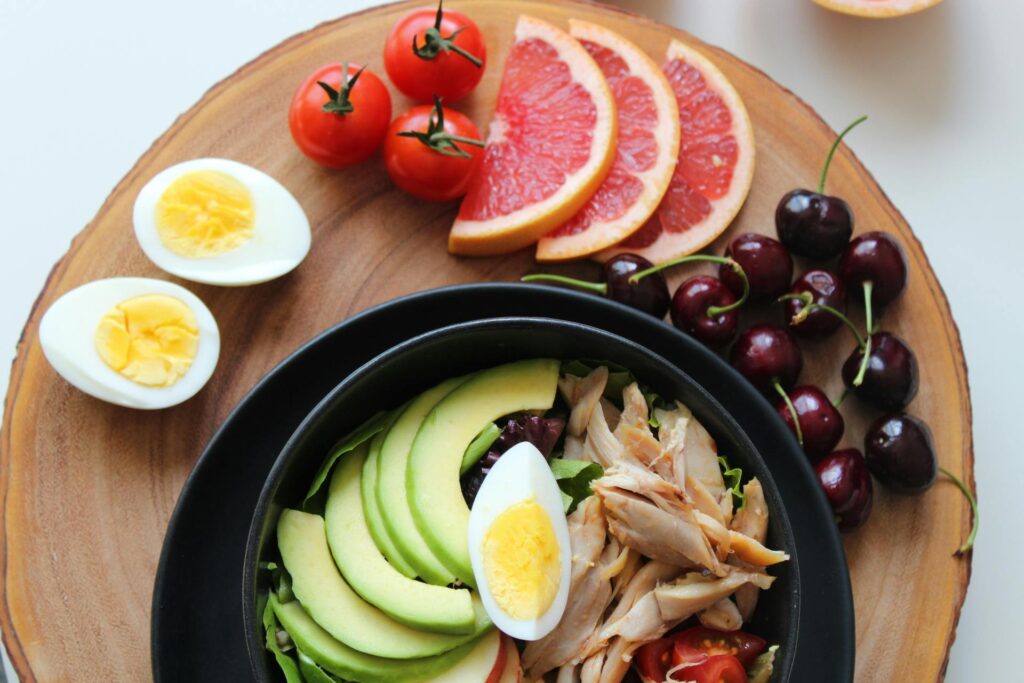
Most men fall into food routines. Chicken and rice. Oatmeal and protein powder. Repeat. It’s simple, sure. But over time, it limits your body’s exposure to essential nutrients.
Nutritional biodiversity is the practice of eating a wide variety of foods. Different plant and animal sources. Different textures, colors, and seasons. It’s not just about enjoyment, it’s about resilience.
1. More Variety Means More Micronutrients
Each food has a unique nutrient profile. When you rotate protein sources or include more colors in your vegetables, you cover more nutritional ground without supplements.
Examples:
- Swap salmon for mackerel or sardines
- Rotate spinach, kale, arugula, and beet greens
- Add lentils, chickpeas, and black beans in place of just rice
2. Better Gut Health
Your gut thrives on fiber diversity. Different types of fiber feed different bacteria. A narrow diet means a narrow microbiome. That affects everything from digestion to immunity and even mood.
3. Biodiversity Reduces Long-Term Risk
When your diet is varied, you’re less likely to become deficient in key vitamins or rely too heavily on one food group. That stability supports energy, recovery, and aging.
4. Make Variety Automatic
Use habit design. Rotate one food group per week. Or create a default breakfast and rotate lunch and dinner.
ZANE helps you plan meals that are consistent, but not repetitive. That’s how you build both habit and health.