
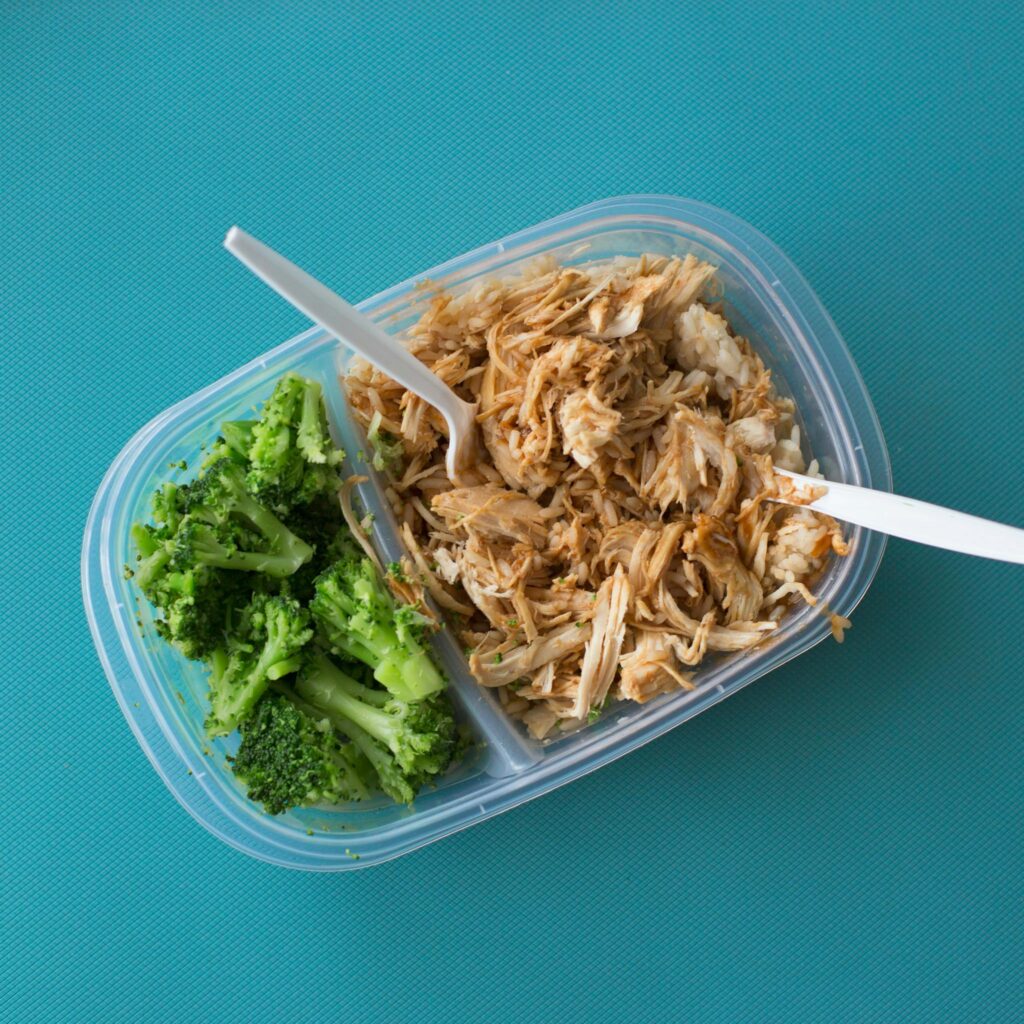
Clean eating became a badge of honor
For years, eating clean signaled discipline.
Whole foods. No processed ingredients. Strict avoidance.
On the surface, this looks healthy.
But rigidity carries a cost.
Perfection creates pressure
When food becomes moral, deviation feels like failure.
One unplanned meal becomes a mental spiral.
This all-or-nothing thinking drives inconsistency.
Men oscillate between strict control and complete release.
That cycle damages long-term progress.
Social friction increases stress
Rigid eating patterns complicate travel, business dinners, family events.
Over time, that creates isolation or resentment.
Health should integrate into life.
Not dominate it.
Sustainability beats purity
The goal is not perfection.
It is predictability.
Consistent protein intake. Controlled portions. Structured meal timing.
These behaviors drive outcomes without obsession.
Clean eating often prioritizes purity over practicality.
Systems prioritize execution over ideology.
The freedom of structure
Structure does not mean restriction.
It means clarity.
When you know your baseline habits, you can flex without guilt.
One imperfect meal does not derail you.
Because your system remains intact.
Takeaways
Rigid clean eating often leads to burnout.
All-or-nothing thinking destroys consistency.
Predictable habits outperform food perfection.
Stop chasing purity.
Build structure.
That is what lasts.